Why Rust Cohle Smokes Like He's Trying to Disappear.
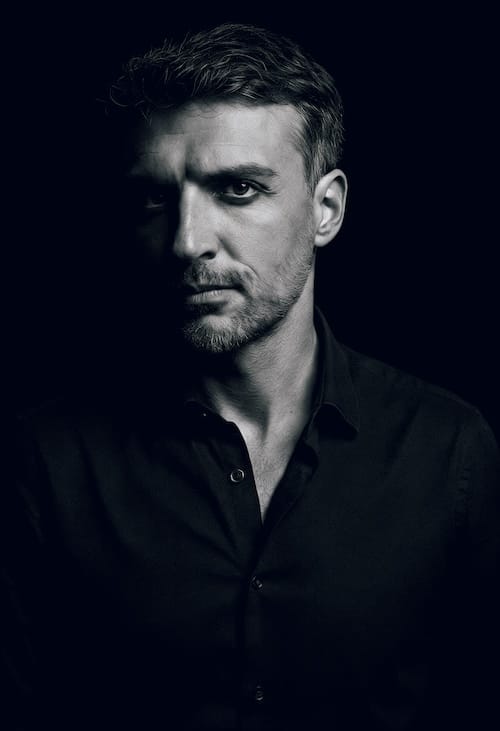
McConaughey holds Rust Cohle's cigarette like a man with no self left to satisfy. A clinician reads the smoking as a portrait of a person who has un-selfed.
The short version
Rust Cohle smokes like he’s trying to disappear because the self that would smoke for its own sake is already gone. McConaughey holds the cigarette without need or habit, the way you’d hold a pen you stopped writing with, and that slackness is the whole performance. Smoking is one of the most self-directed things a person does, so a man smoking with no investment shows you a person who has no self to satisfy. The flat clinical labels, depersonalization and derealization, describe the symptom without naming what McConaughey caught. Rust hasn’t broken. He looked at the work of rebuilding himself and decided it wasn’t worth it.
- McConaughey plays Rust as a man who has un-selfed, present in body while the person who lived in it has checked out.
- The slack cigarette, empty stare and uncared-for body all read as one thing, a nihilism Rust has acted on rather than posed with.
- The protagonist of The Widowmaker reaches the same emptiness through practice, deleting a name and history, where Rust got there through philosophy.
- People who have survived severe dissociation recognize the performance because it shows what happens after someone decides reassembling the self isn’t worth the effort.
Matthew McConaughey smokes wrong in True Detective. The cigarette sits in his fingers like something he forgot was there. He doesn’t draw on it the way smokers draw on cigarettes, with need, with habit, with the small anticipatory pleasure of a ritual that still works. McConaughey holds the cigarette the way you’d hold a pen you stopped writing with three paragraphs ago. The hand knows something is in it. The mind has left.
This is the whole performance. Everything McConaughey does as Rust Cohle follows the same logic. The body is present. The person who once lived inside that body has checked out, and what remains is an organism going through the motions of being human without any personal investment in the outcome. The smoking is the clearest physical marker because smoking is one of the most self-directed things a person can do. You smoke for yourself. You smoke because your body wants it and you’re giving your body what it wants. Rust Cohle smokes like he doesn’t have a self to satisfy.
The thousand-yard stare that McConaughey holds through most of the series works the same way. Actors playing haunted characters tend to look like they’re seeing something terrible behind their eyes. McConaughey looks like he’s seeing nothing. The stare isn’t pointed at a memory or a trauma. The stare is pointed at the place where Rust Cohle used to keep his sense of personal significance, and that place is empty. He looked, found nothing worth keeping, and stopped looking. The eyes stayed open because eyes stay open. That’s biology, not choice.
I’ve worked with people in this condition. The clinical language for it is flat, unhelpful. Depersonalization. Derealization. Those words describe symptoms the way a shipping label describes what’s inside the box. What McConaughey captured is something more specific and harder to name. Rust Cohle has successfully removed himself from his own experience. He still walks, talks, drives, solves cases. He smokes. He drinks Lone Star in his empty apartment. All of these actions happen. None of them happen to anyone. The self that would register these experiences as belonging to a particular person has been methodically disassembled.
McConaughey’s body language in the interrogation scenes tells the whole story. Watch his shoulders. They don’t carry tension the way a guarded man’s shoulders carry tension. They hang. The muscles in his neck are slack. His head moves slowly. The slowness has nothing to do with caution. There is no urgency in a man who has stopped being invested in how other people perceive him. Rust Cohle has no image to manage. A man with no image to manage moves like McConaughey moves in those scenes: loosely, without the micro-adjustments that come from monitoring yourself through other people’s eyes.
The weight loss McConaughey brought to the role matters here. He came to True Detective immediately after Dallas Buyers Club, gaunt and angular, and he kept the thinness. Rust Cohle’s body looks like something the weather is slowly wearing down. This wasn’t vanity in reverse. This was McConaughey understanding that a man who has deleted his own importance from his worldview would also stop maintaining his body with any real commitment. The body gets fed. The body gets moved from place to place. The body doesn’t get cared for, because caring for it would require the kind of self-regard that Rust Cohle has philosophically abandoned.
The philosophy matters. Rust talks about consciousness being a mistake, about humans being creatures that should have never developed self-awareness. Most viewers hear this as bleak intellectualism, a detective who reads too much Nietzsche and Ligotti. McConaughey plays it as something more frightening. He plays it as a man who believes these things and has acted on that belief. Rust hasn’t just concluded that the self is an illusion. He’s followed that conclusion to its practical end. He has un-selfed. The nihilism isn’t a pose or a coping mechanism. It’s how he lives. And McConaughey’s physical choices, the slack cigarette, the empty stare, the body that occupies space without claiming it, are what that looks like in a living person.
The protagonist of The Widowmaker arrived at the same destination through a different route. A timber contractor in the Pacific Northwest, operating for fifteen years under a name that doesn’t belong to him. Known in his community. Trusted. He built a functional life on top of something that required the original person to vacate the premises entirely. Where Rust Cohle un-selfed through philosophy, through the deliberate intellectual dismantling of his own significance, this man un-selfed through practice. He deleted his name and his history. He built a new person from materials that had no connection to the old one. Both men are present. Both men are gone. The difference is the method.
McConaughey’s genius in this role is making the absence visible. An actor playing emptiness has to resist the urge to show the emptiness, to perform it, to let the audience see him performing suffering or numbness or philosophical detachment. McConaughey doesn’t perform any of these things. He performs a man doing his job and smoking his cigarettes and driving his truck, and the emptiness comes through in the gap between the actions and the investment. The actions are competent. The investment is zero. The gap is where Rust Cohle lives, or more accurately, where he doesn’t.
That gap is what makes the performance land with the force it does. People who have been through severe dissociative episodes, people who have survived the kind of loss that makes the self feel like an unnecessary complication, recognize what McConaughey is doing in this role. He’s playing what happens after the crisis is over and the person who went through it decided, consciously or not, that reconstituting the self wasn’t worth the effort. Rust Cohle isn’t broken. Broken implies something that could be fixed. Rust Cohle is a man who looked at what it would take to put himself back together and decided he wasn’t worth rebuilding.
McConaughey smokes like he’s trying to disappear because Rust Cohle already has. The cigarette is the last physical anchor, the last thing connecting the body to something it does for its own sake, and even that connection has gone slack. The smoke rises. Rust watches it go the way a man watches a stranger leave a room. No attachment. No interest. The smoke disappears and Rust stays, which is the wrong way around, and McConaughey knows it. His whole performance sits inside that inversion. The thing that should vanish persists. The person who should persist has already vanished. What’s left is a body, a badge and a cigarette burning down between fingers that belong to no one in particular.
Common questions
Why does Rust Cohle smoke the way he does in True Detective?
He smokes without need or pleasure, holding the cigarette like a forgotten pen. Smoking is one of the most self-directed acts a person performs, so McConaughey uses the slackness to show a man with no self left to satisfy. The body still smokes. Nobody is home to enjoy it.
What is McConaughey actually portraying with Rust?
A man who has un-selfed. Rust still walks, talks, drives and solves cases, but none of it happens to anyone, because the self that would register these experiences as his own has been taken apart. The flat clinical terms for it are depersonalization and derealization.
Is Rust Cohle’s nihilism just a coping mechanism?
No. McConaughey plays it as a belief Rust has acted on, not a pose. Rust concluded the self is an illusion and followed that conclusion to its end, deleting his own significance. The nihilism is how he lives now, and his slack body and empty stare are what it looks like in a person.
How does Rust compare to the man in The Widowmaker?
Both men have vacated themselves, but by different routes. Rust un-selfed through philosophy, dismantling his own importance on purpose. The timber contractor in The Widowmaker un-selfed through practice, living fifteen years under a stolen name until the original person had no place left to exist.